10 Essential Recipe Books for Kitchen Inspiration
Growing up in a bustling Italian-American household, my love affair with cookbooks began at the kitchen table, flipping through tattered pages of my nonna’s favorites while the aroma of simmering ragù filled the air. Those books weren’t just collections of recipes; they were portals to stories, traditions, and endless experimentation. Fast-forward to today, and my shelves are lined with dog-eared treasures that have rescued countless weeknight dinners and fueled ambitious weekend feasts.
Recently, during a rainy lockdown stretch, I dove into a stack of classic recipe books for inspiration, recreating everything from perfect soufflés to street-food tacos. In a world of endless TikTok reels and AI-generated meals, these timeless tomes remind us why tactile, narrative-driven cooking matters—they spark creativity, teach technique, and connect us to global flavors with authenticity.
The Joy of Cooking by Irma S. Rombauer
This encyclopedic classic is packed with over 4,000 recipes covering everything from basics to exotics. Ingredients for success include timeless staples like pie crust dough, roast chicken, and gingerbread, plus quirky gems such as wedding cake and elephant-ear pancakes. Simple steps: Start with the master recipes for stocks and doughs, then branch into variations—scan the index for your craving, follow the clear, chatty instructions, and tweak as needed. Benefits: It’s a one-stop kitchen bible that builds confidence for beginners and pros alike, emphasizing technique over trends for lifelong cooking skills.
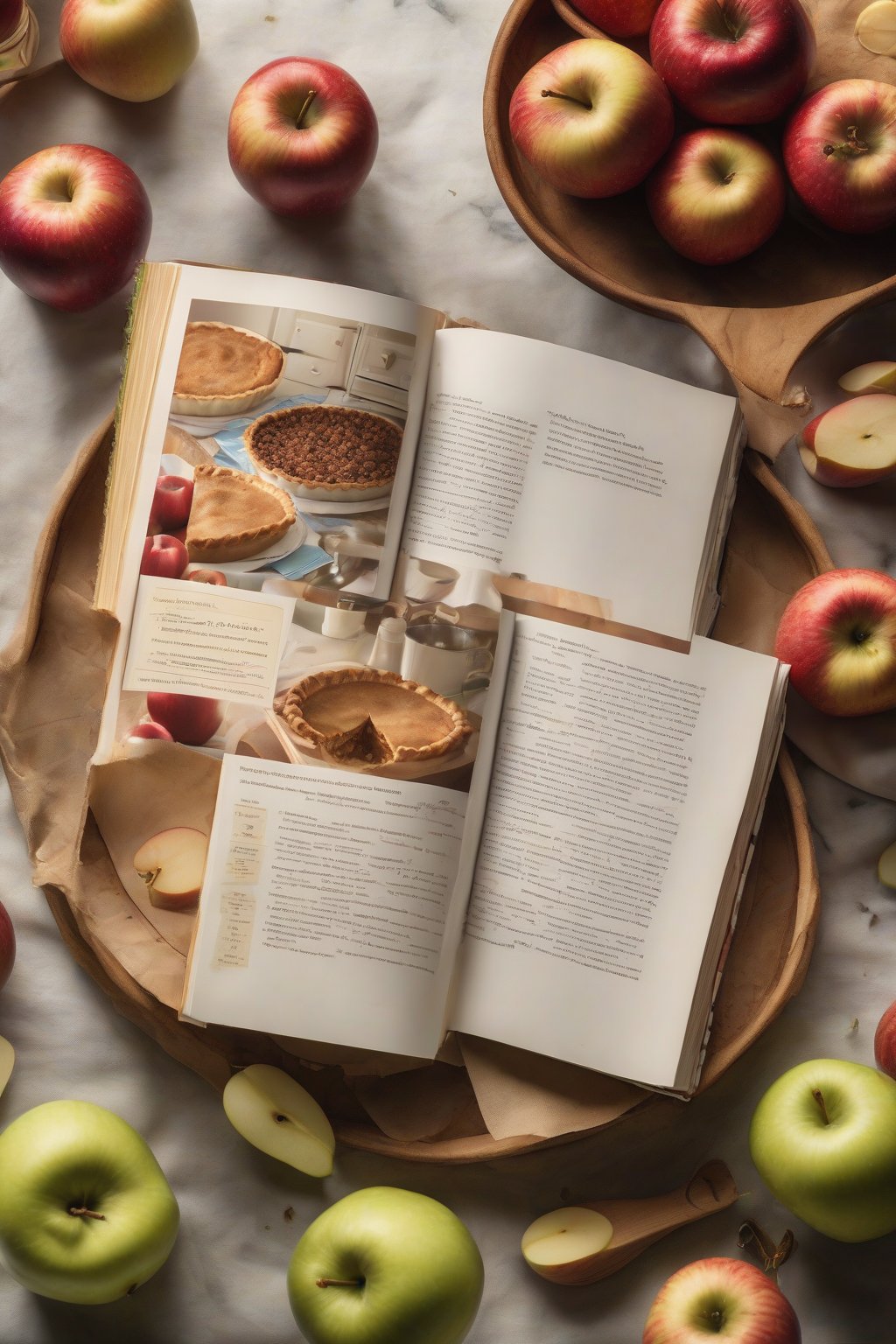
Mastering the Art of French Cooking by Julia Child
Julia’s magnum opus demystifies haute cuisine with passion and precision. Ingredients highlight butter, cream, and wine in dishes like boeuf bourguignon, quiche Lorraine, and chocolate soufflé. Simple steps: Read the headnotes for technique insights, assemble mise en place meticulously, cook low and slow as directed, and embrace imperfections. Benefits: It transforms home cooks into confident chefs, teaching fundamentals like emulsions and reductions that elevate everyday meals.
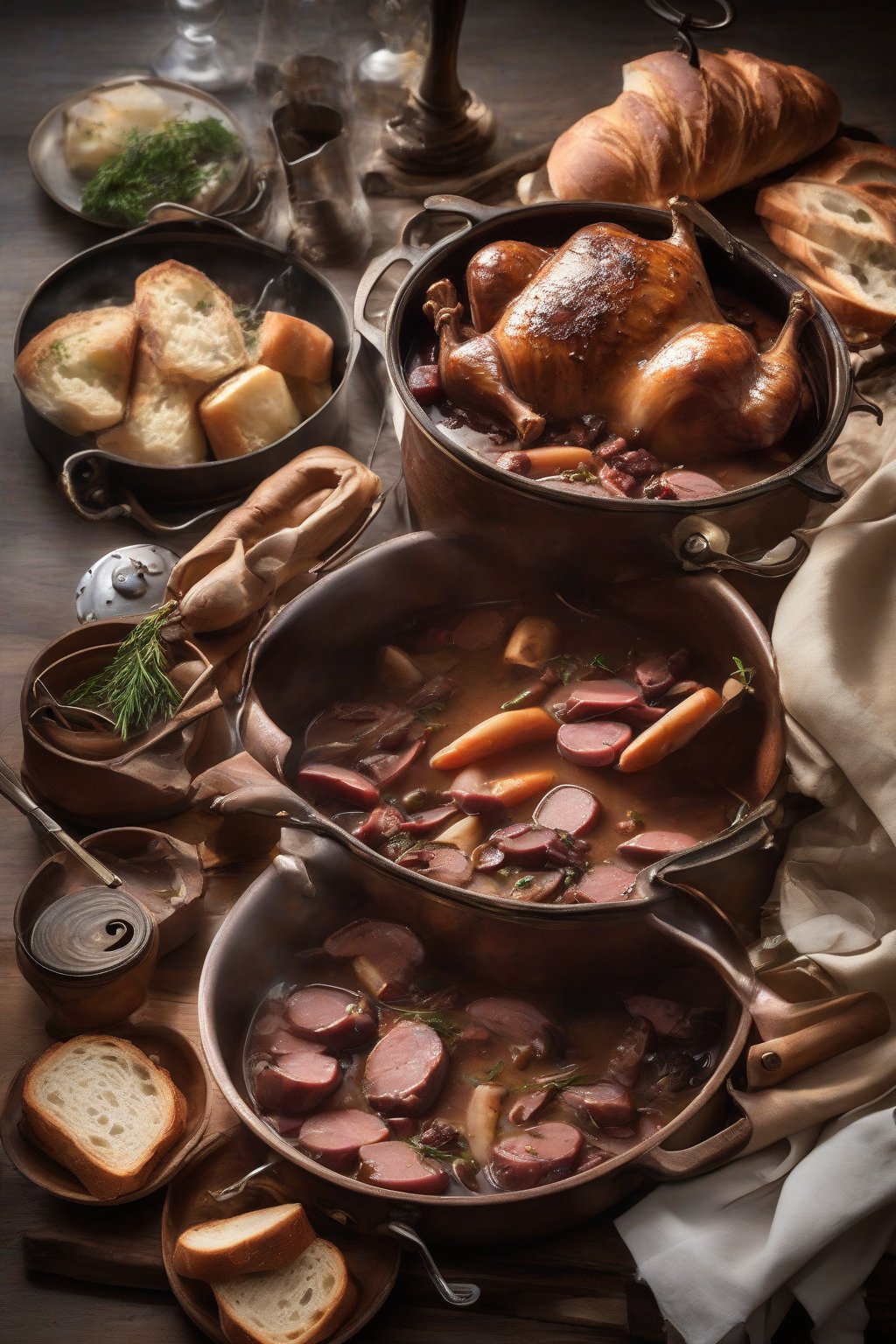
Salt, Fat, Acid, Heat by Samin Nosrat
A modern manifesto on the science of flavor, illustrated with vibrant graphics. Ingredients focus on balancing salt, fat, acid, and heat in recipes like buttermilk fried chicken and Roman pasta. Simple steps: Use the charts to diagnose imbalances, follow the elemental recipes, taste iteratively, and apply principles to your own dishes. Benefits: Empowers intuitive cooking without rigid recipes, making you a better home cook through understanding rather than memorization.
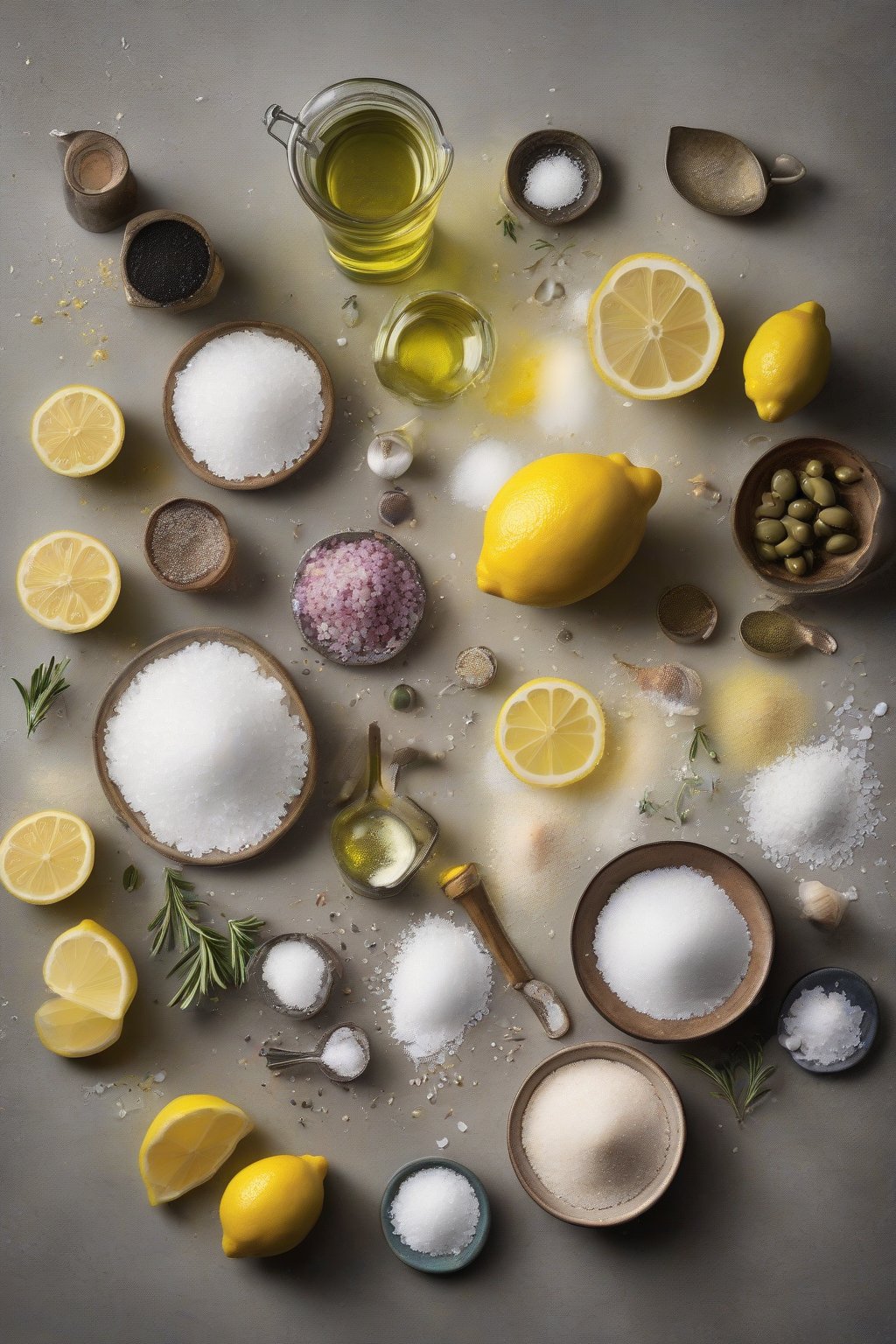
The Flavor Bible by Karen Page and Andrew Dornenburg
Not recipes, but a flavor-pairing encyclopedia for creative sparks. Ingredients lists infinite combos like chocolate + chili or basil + strawberry. Simple steps: Look up a primary ingredient, note synergies, build a dish around 3-5 matches, and experiment seasonally. Benefits: Unleashes innovation, prevents bland meals, and is ideal for improvising with fridge leftovers or vegan twists.
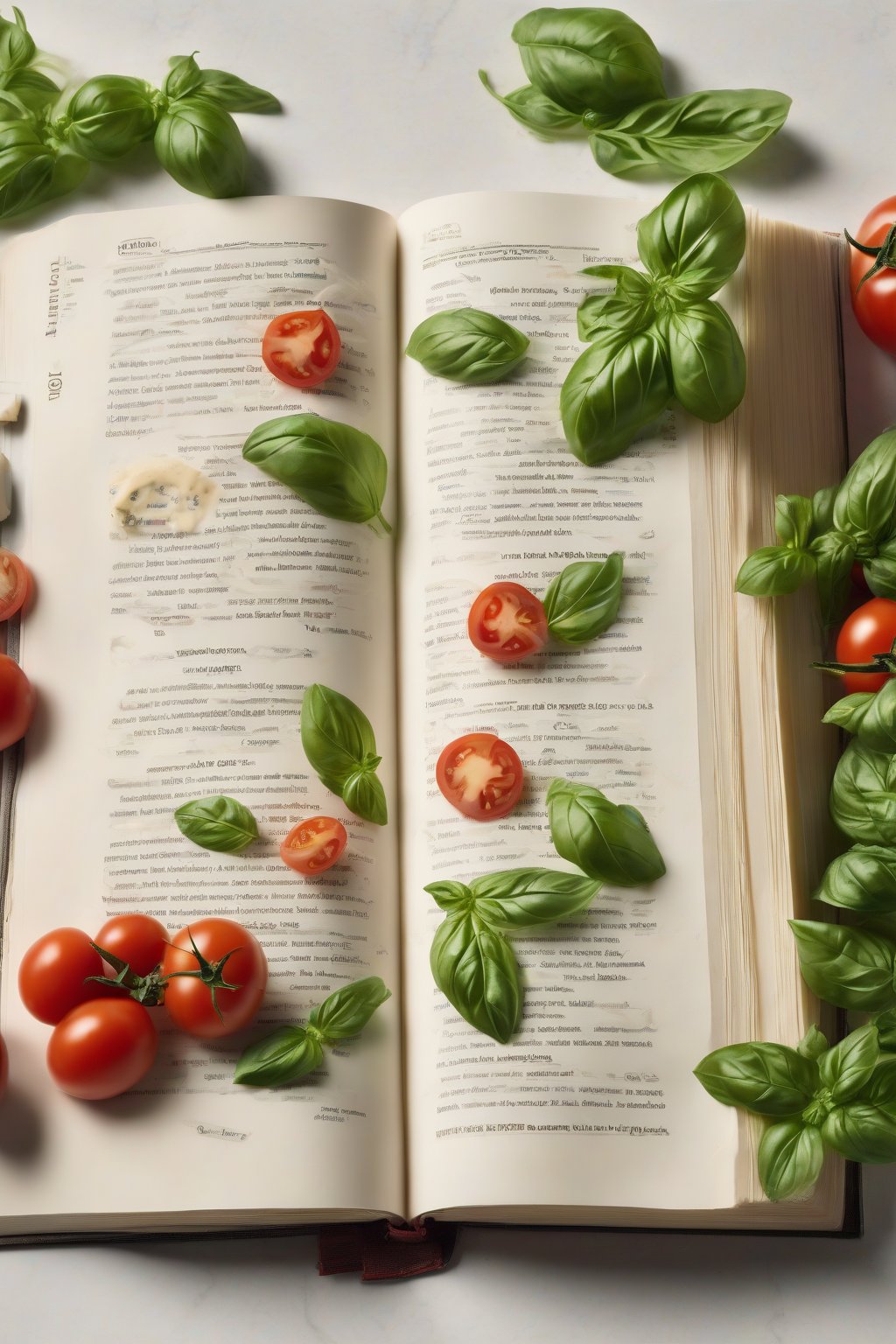
Ottolenghi Simple by Yotam Ottolenghi
Streamlined Middle Eastern magic for busy cooks. Ingredients star tahini, sumac, and pomegranate in recipes like burnt eggplant, herby rice, and pistachio meringues. Simple steps: Prep in 10-minute batches, follow the “no-chopping” icons, assemble fresh, and serve family-style. Benefits: Delivers restaurant-quality vibrancy with minimal fuss, perfect for vegetarians seeking bold, shareable dishes.
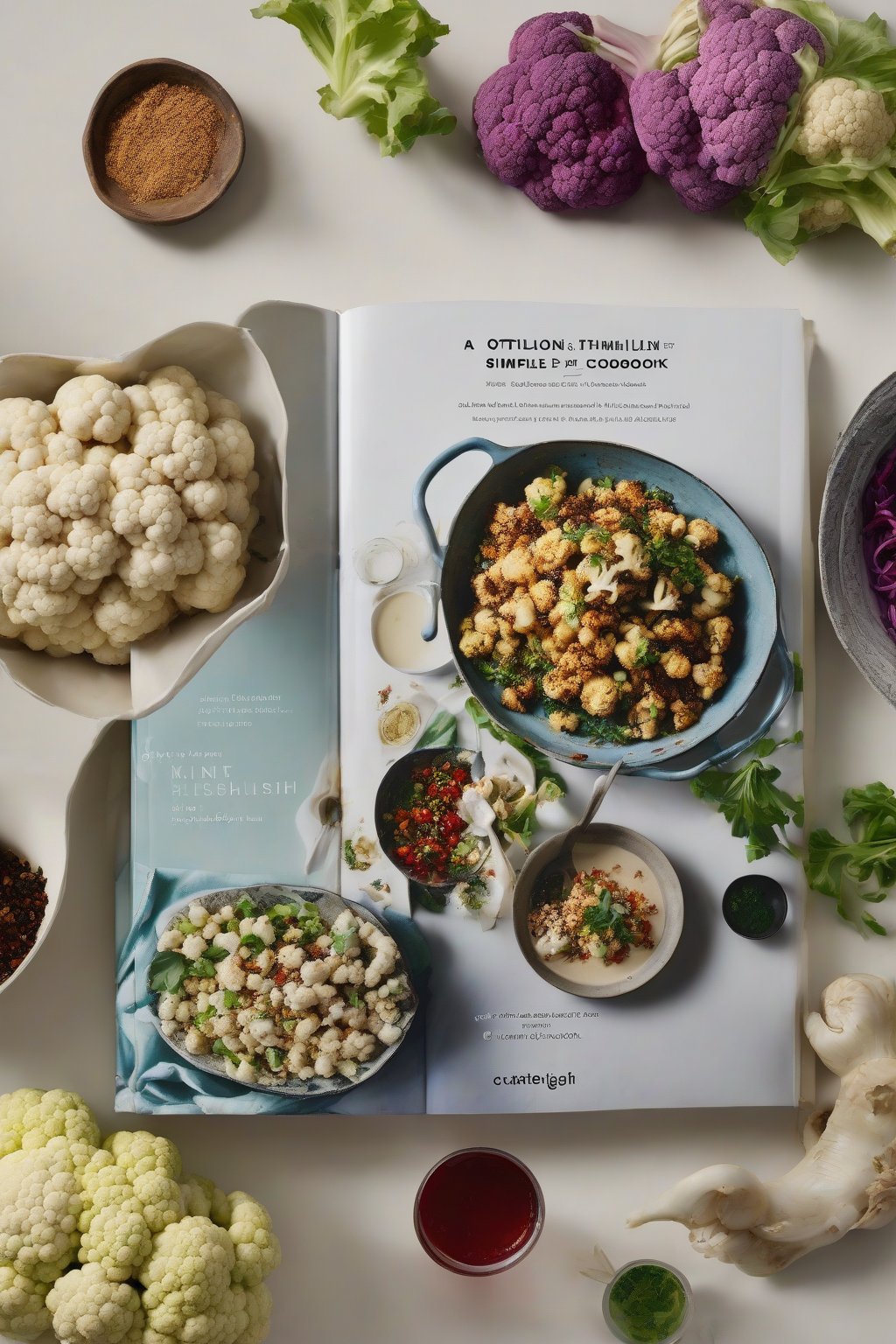
Barefoot Contessa Foolproof by Ina Garten
Effortless elegance from the queen of entertaining. Ingredients include lemon, goat cheese, and prosciutto in hits like roasted shrimp and weeknight roasts. Simple steps: Make-ahead components first, use high-quality store-bought shortcuts, bake or grill simply, and garnish generously. Benefits: Stress-free hosting with foolproof results, blending comfort food with sophistication for gatherings big or small.
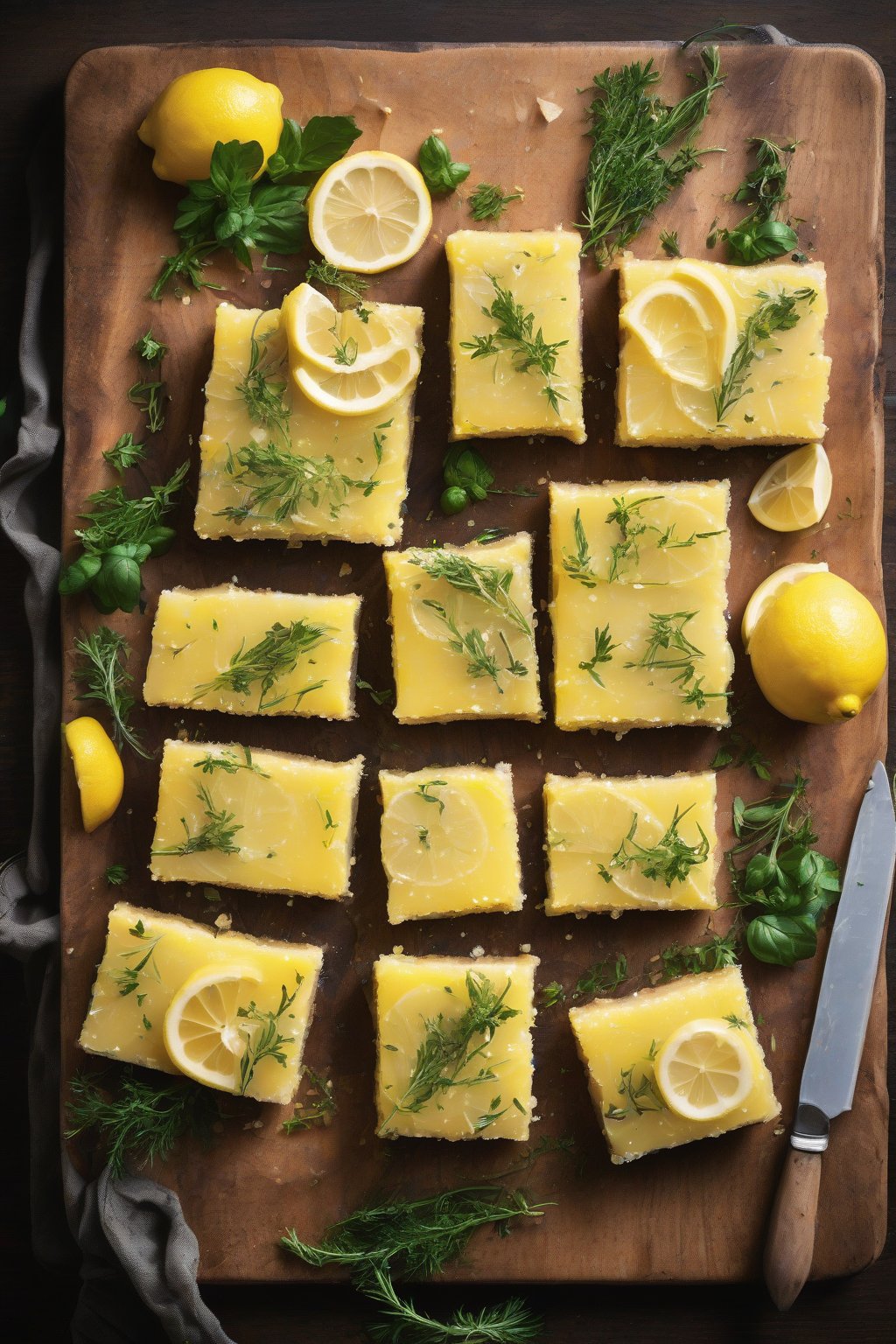
How to Cook Everything by Mark Bittman
Versatile basics expanded into thousands of options. Ingredients cover grains, veggies, and proteins in recipes like stir-fries, pizzas, and vegetable curries. Simple steps: Choose a base recipe, swap in variations from the sidebars, cook in one pot where possible, and adjust spices to taste. Benefits: Democratizes cooking with flexibility, ideal for beginners building a repertoire or busy folks needing quick adaptations.
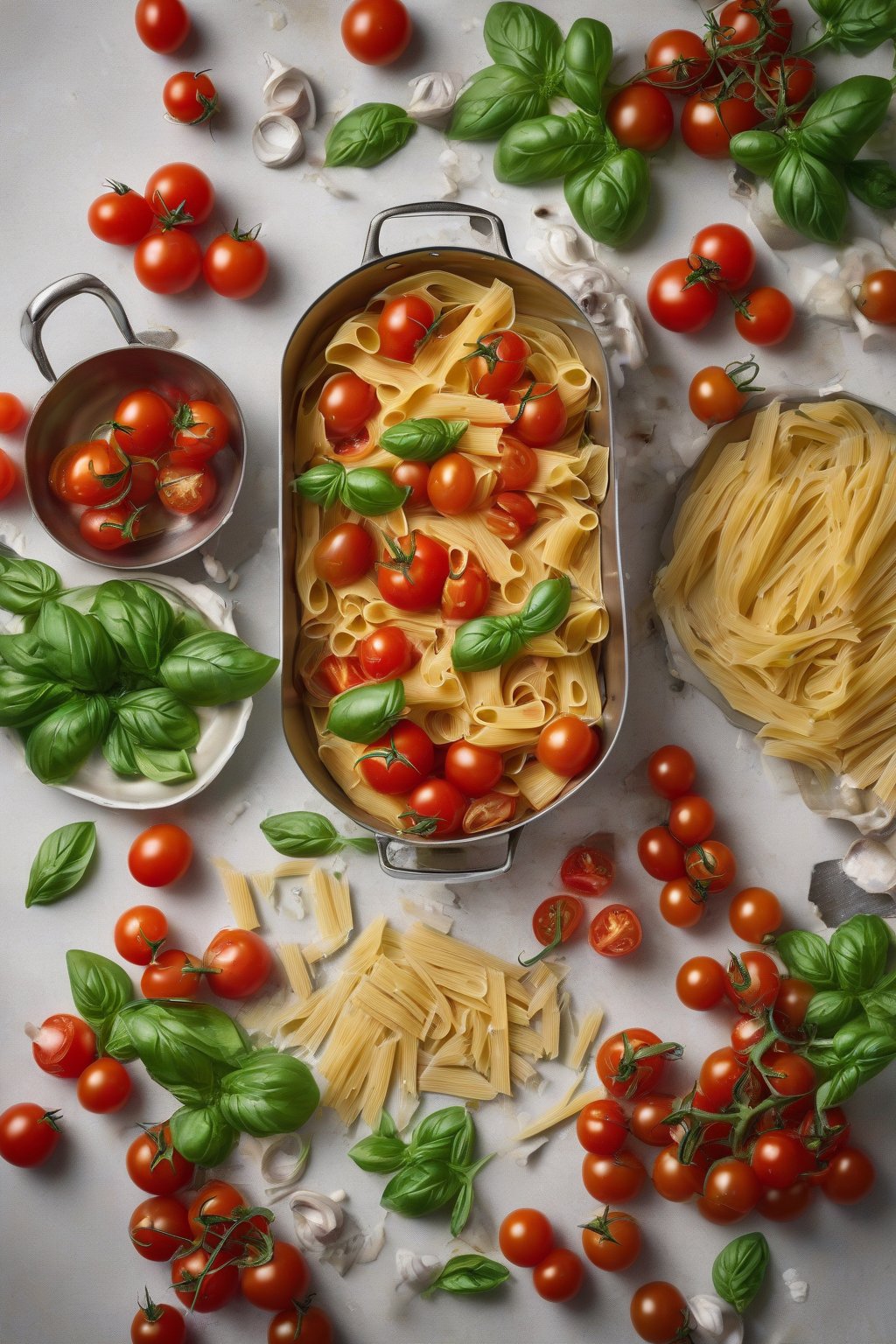
The Food Lab by J. Kenji López-Alt
Science-backed hacks for superior results. Ingredients emphasize meat, eggs, and veggies in ultra-crispy wings, perfect omelets, and cold noodles. Simple steps: Follow the experiments’ logic, use precise timings and tools like foil boats, test as you go. Benefits: Revolutionizes technique for foolproof textures and flavors, turning kitchen myths into mastery.
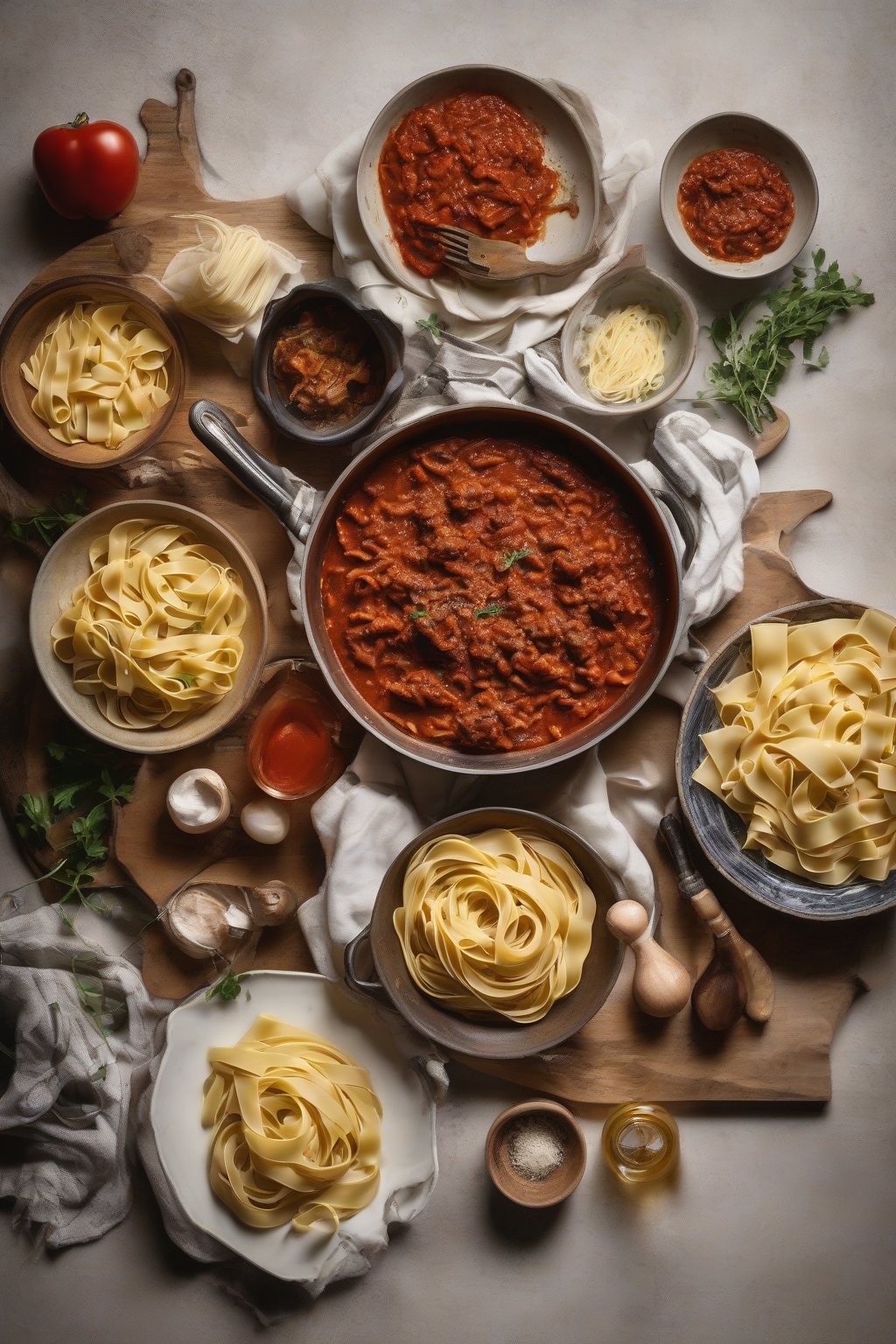
Essentials of Classic Italian Cooking by Marcella Hazan
Authentic pasta and sauces without frills. Ingredients spotlight tomatoes, parmigiano, and olive oil in ragù, risotto, and gelato. Simple steps: Source quality basics, simmer patiently per her exact times, grate cheese fresh, and serve simply. Benefits: Revives true Italian home cooking, stripping away fads for pure, soul-satisfying depth.
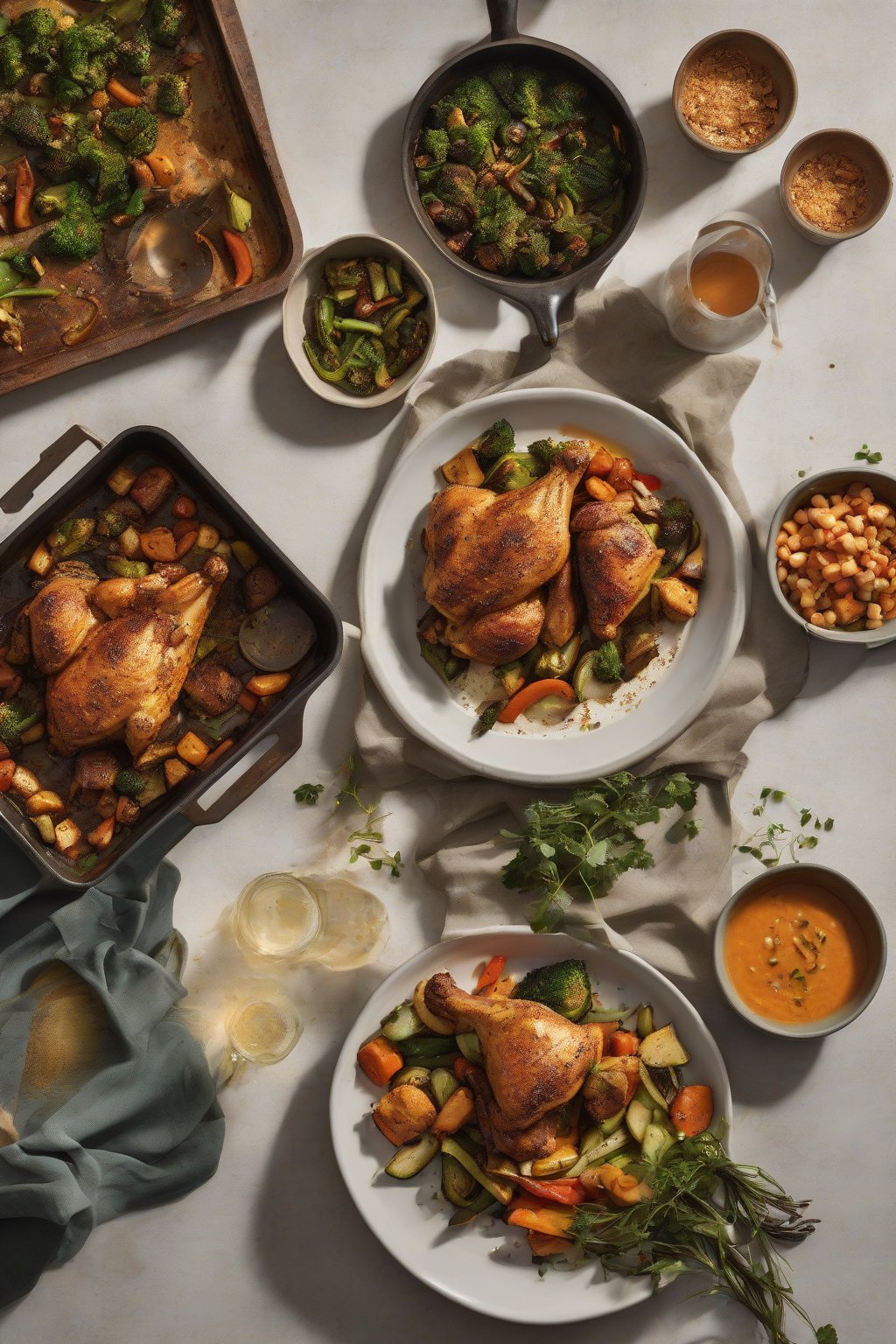
Milk Street: The New Rules by Christopher Kimball
Global techniques streamlined for America. Ingredients fuse spices in fast pho, sheet-pan chicken, and coconut curry. Simple steps: Adopt the “rules” hacks like salting cabbage first, cook in high heat bursts, finish with herbs. Benefits: Speeds up worldly flavors without sacrificing taste, great for expanding palates efficiently.
Whether you’re a novice or seasoned chef, grab one of these essential recipe books today and let their pages ignite your next kitchen adventure—your taste buds (and dinner guests) will thank you!