15 Must-Have Recipe Books for Home Cooks
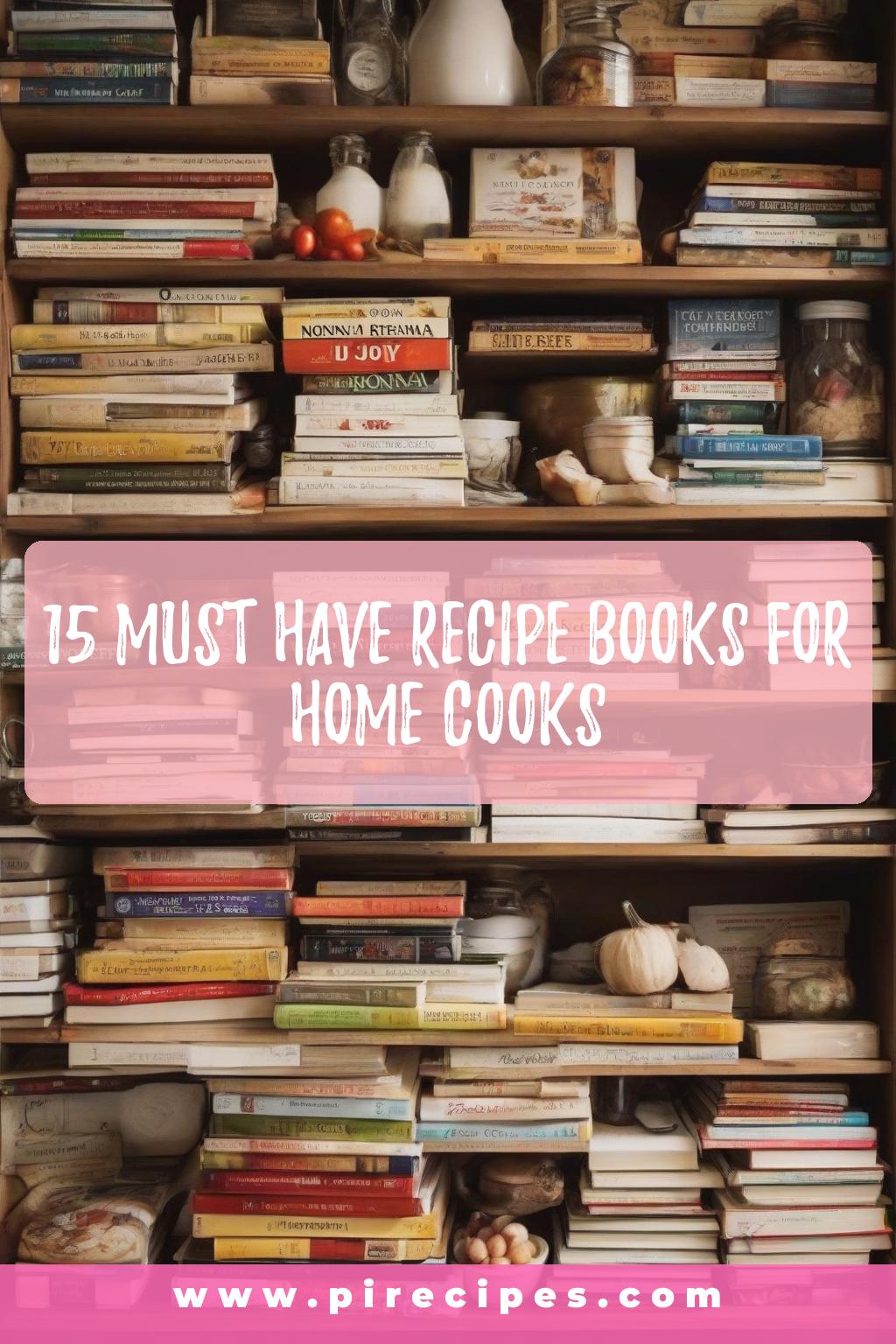
Growing up in a bustling Italian-American household, my fondest childhood memories revolve around the well-worn recipe books stacked on the kitchen counter. My Nonna would pull out her faded copy of “The Joy of Cooking” every Sunday, flipping to pages marked with handwritten notes for meatballs or tiramisu. Those moments sparked my lifelong love affair with cooking, turning simple ingredients into family magic.
Fast-forward to my recent kitchen experiments during lockdown—I dusted off a stack of classic cookbooks and challenged myself to master one recipe per book each week. From perfectly seared steaks using science-backed techniques to foolproof sourdough that finally rose, these books transformed my home cooking from chaotic to confident. In today’s fast-paced world, where meal kits and TikTok hacks dominate, timeless recipe books remain the ultimate toolkit for home cooks seeking depth, reliability, and joy in every dish.
Joy of Cooking by Irma S. Rombauer
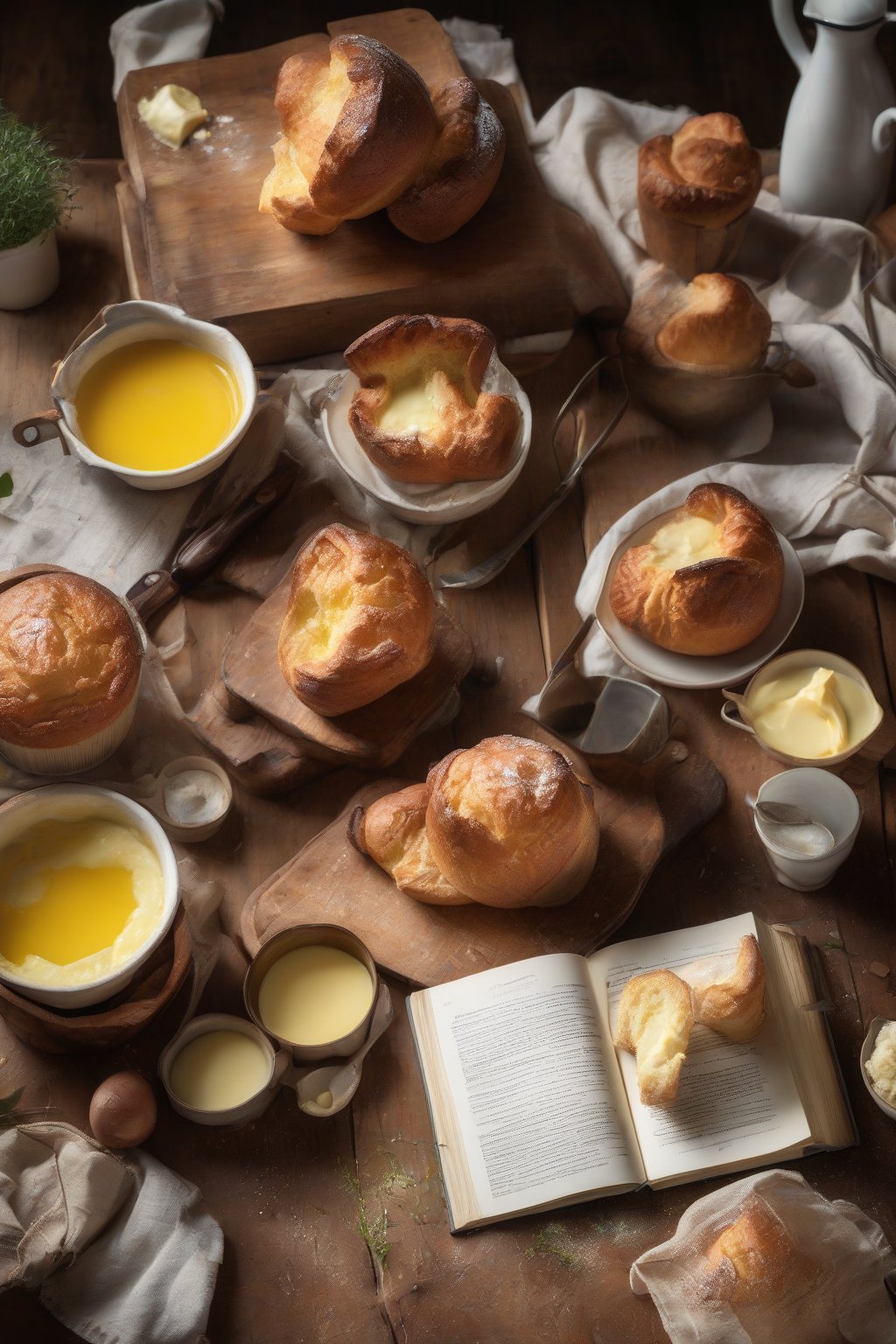
This encyclopedic bible of American home cooking covers everything from appetizers to preserves, with over 4,000 recipes that emphasize accessible techniques. Key “ingredients” include detailed illustrations, substitution guides, and timeless classics like popovers and gingerbread. To get started, simply browse the table of contents by course, select a recipe, and follow the straightforward, step-by-step instructions—no fancy equipment needed.
Its benefits shine for beginners and pros alike: it builds foundational skills, encourages experimentation, and adapts to modern diets with easy tweaks for gluten-free or vegan options.
Mastering the Art of French Cooking by Julia Child
Julia Child’s masterpiece demystifies French cuisine with precise recipes for coq au vin, soufflés, and boeuf bourguignon. Essential “ingredients” are her meticulous instructions, equipment lists, and cultural anecdotes that make technique approachable. Prep by reading the full recipe twice, gather classic tools like a saucier pan, then execute steps methodically, tasting as you go.
The benefits? It elevates everyday cooking to gourmet levels, teaches knife skills and sauces from scratch, and instills confidence through Child’s encouraging voice—perfect for home cooks craving elegance without intimidation.
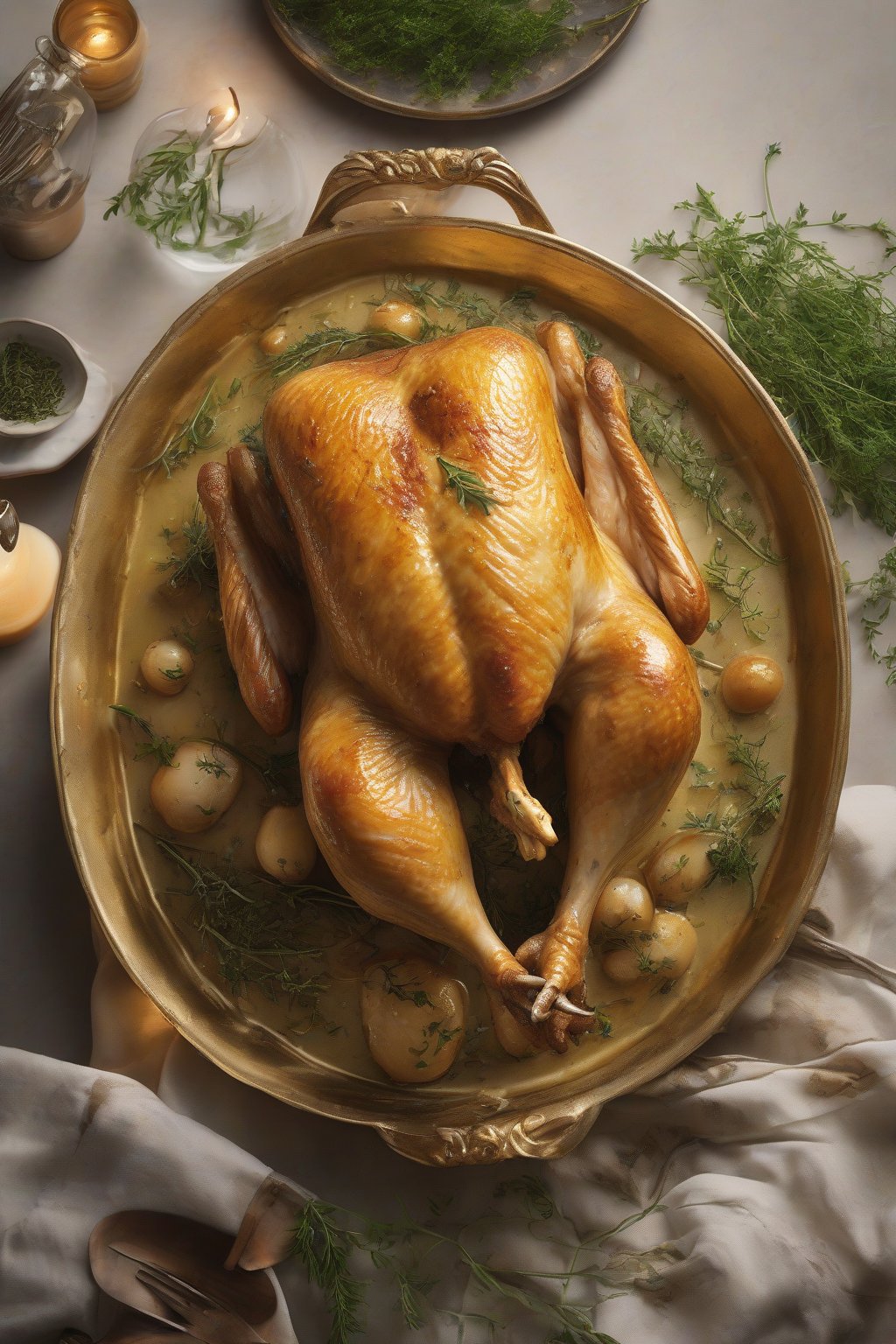
Salt, Fat, Acid, Heat by Samin Nosrat
Nosrat’s game-changing guide revolutionizes cooking through four pillars: salt for seasoning, fat for richness, acid for balance, and heat for transformation. Core “ingredients” include illustrated fundamentals, global recipes like perfect roast chicken, and a visual “flavor map.” Start with her cheat sheets, apply principles to any dish, and practice with simple experiments like vinaigrettes.
Benefits abound: it shifts focus from rote recipes to intuitive cooking, saves money on takeout, and empowers creativity for healthier, tastier meals tailored to your pantry.
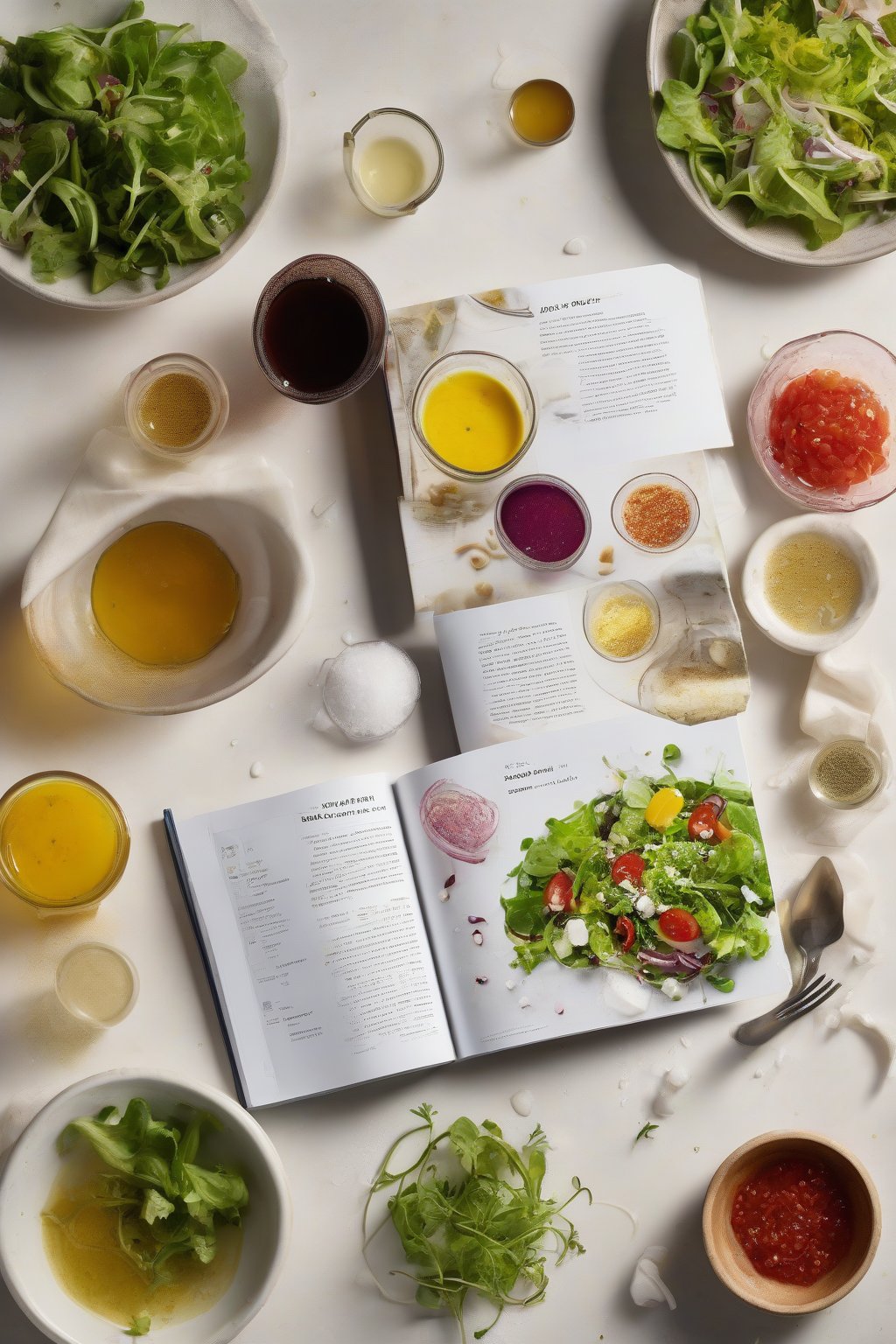
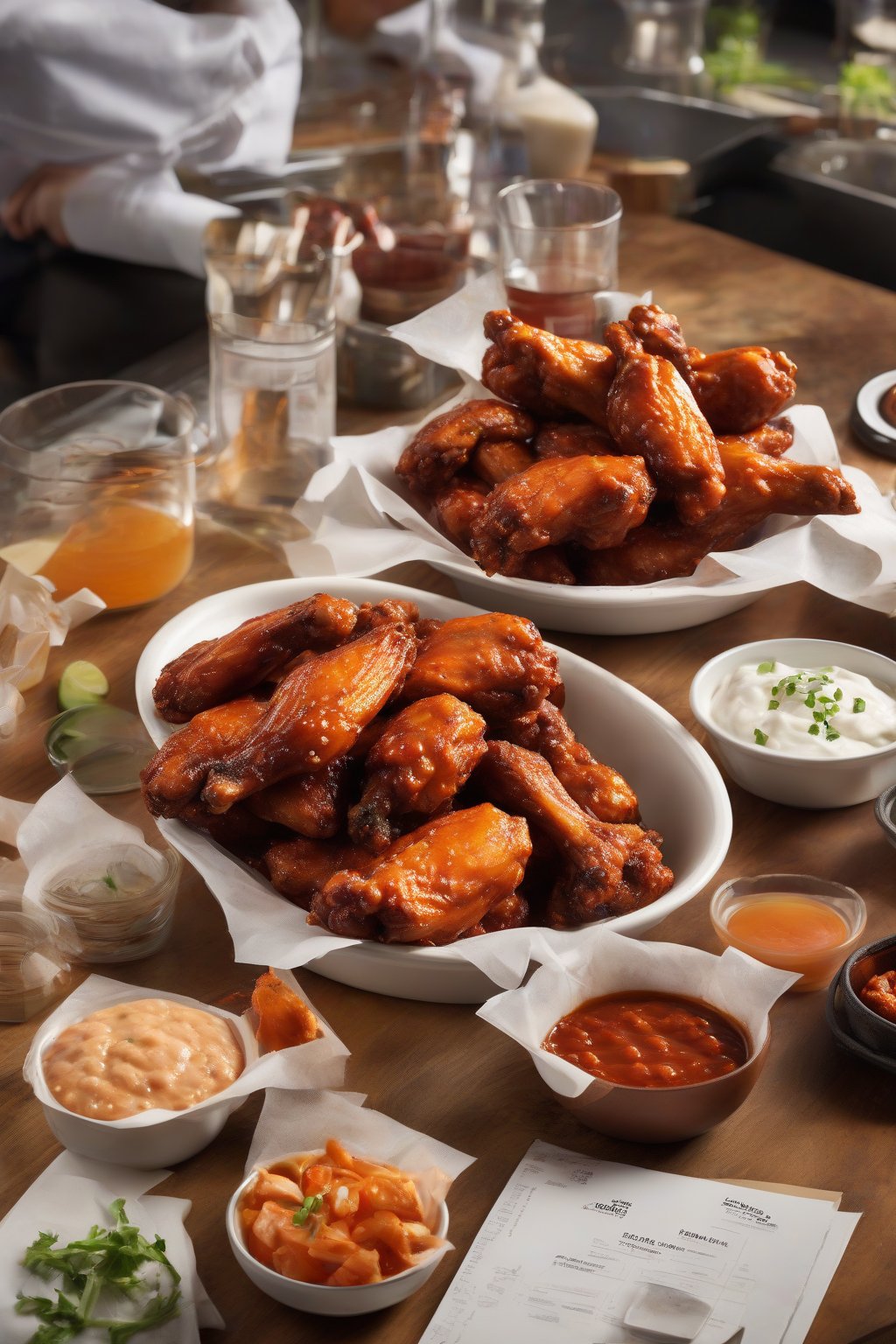
The Food Lab by J. Kenji López-Alt
Science meets kitchen in this tome with recipes for ultra-crispy wings, foolproof omelets, and ramen from scratch. “Ingredients” feature lab-tested methods, sidebars on physics/chemistry, and everyday staples. Steps are hyper-detailed: measure precisely, follow sequences like reverse-searing steak, and note pro tips.
It benefits home cooks by debunking myths, guaranteeing restaurant-quality results, and making complex dishes (like pressure-cooker ribs) achievable on weeknights.
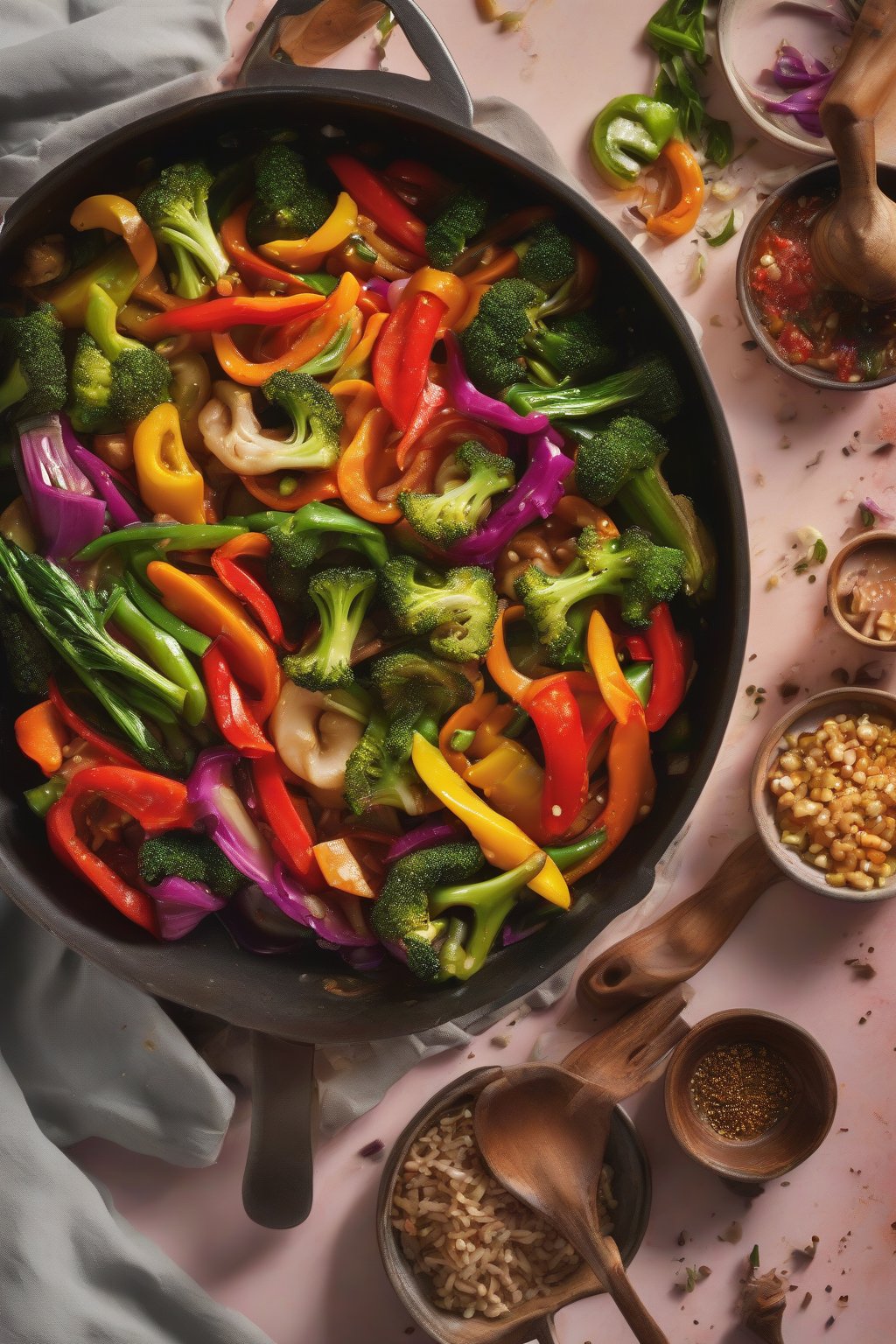
How to Cook Everything by Mark Bittman
Bittman’s versatile compendium offers 2,000+ recipes with 200 master techniques for basics like rice or eggs. Key elements include “recipes within recipes,” vegetarian swaps, and minimalist lists. Choose a base (e.g., stir-fry), customize variations, and cook in under 30 minutes.
Perfect for busy families, it simplifies meal prep, reduces waste through flexibility, and builds a lifelong repertoire of reliable, nutritious dishes.
Essentials of Classic Italian Cooking by Marcella Hazan
Hazan’s authentic guide delivers risotto, osso buco, and pasta sauces using pantry heroes like tomatoes and olive oil. “Ingredients” encompass regional lore, minimalism, and exact timings. Read her philosophy first, simmer sauces low and slow, then plate simply.
Benefits: It authenticates home Italian without gimmicks, hones simmering skills, and creates soul-satisfying meals that impress effortlessly.
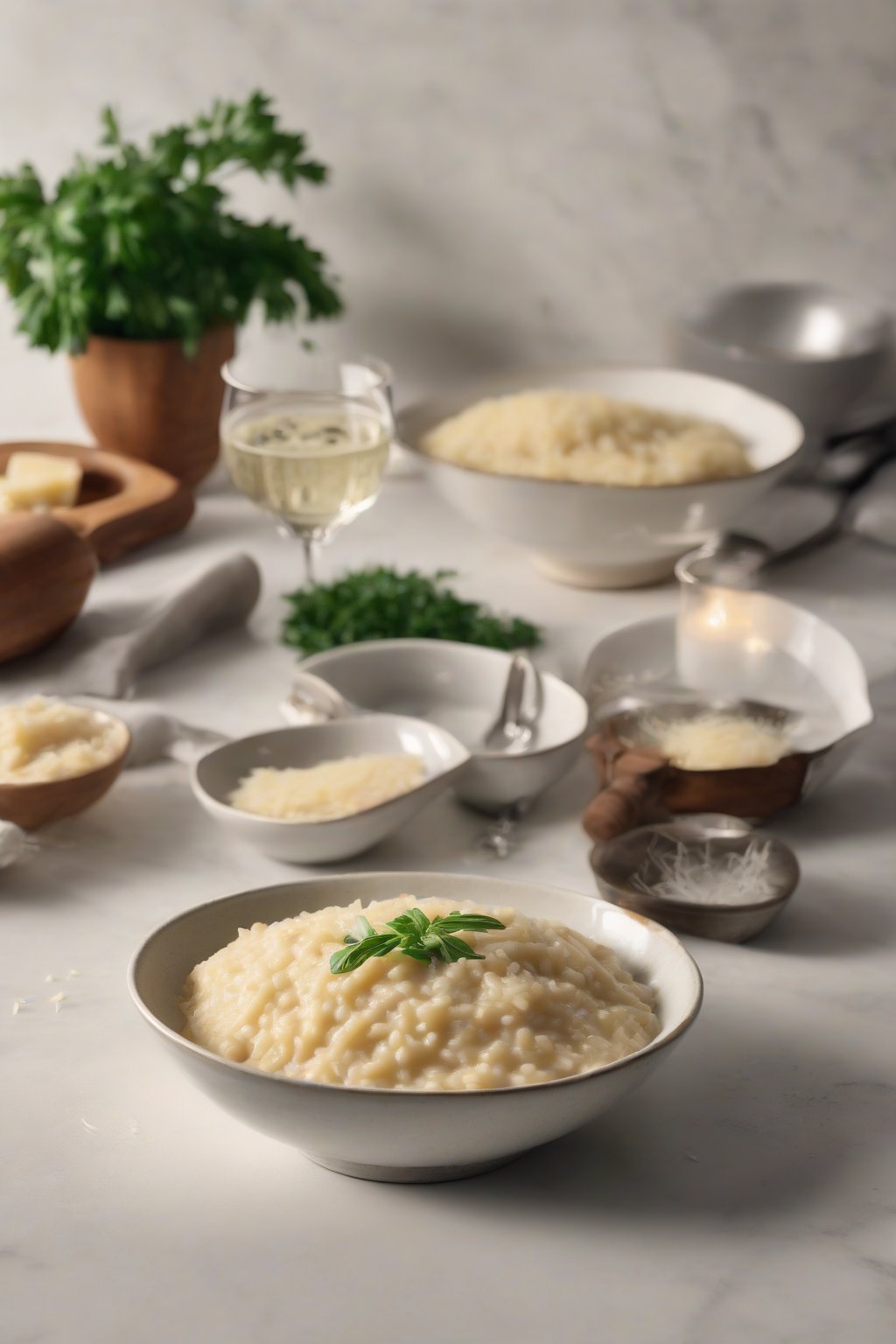
The Flavor Bible by Karen Page and Andrew Dornenburg
Not recipes, but a flavor-pairing encyclopedia for infinite creativity. “Ingredients” are 100+ ingredient charts (e.g., chocolate + chili) and chef insights. Steps: Pick a star ingredient, cross-reference affinities, build dishes intuitively.
It supercharges any cook’s intuition, prevents bland meals, and inspires fusion innovations for personalized, exciting cuisine.
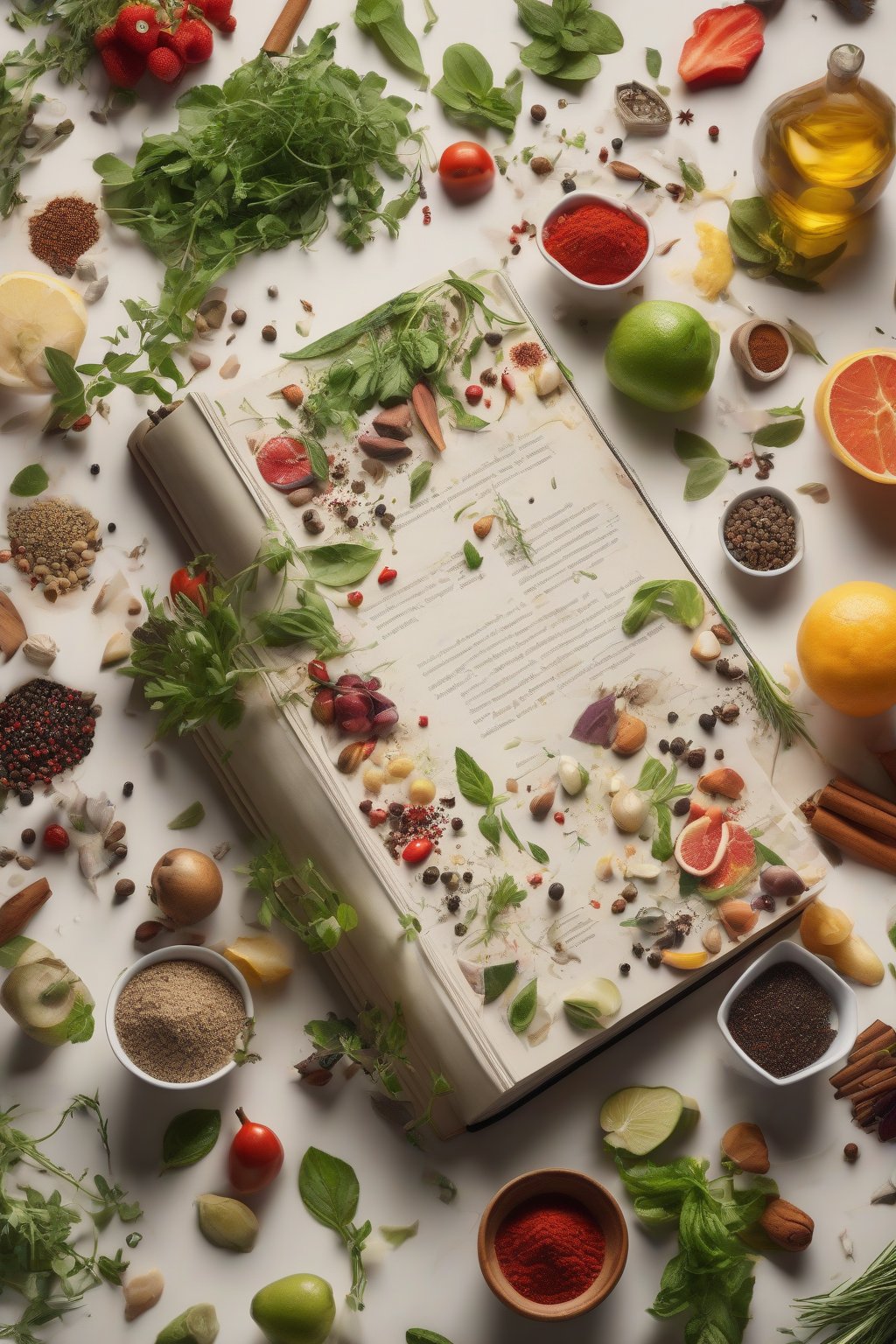
Ratio by Michael Ruhlman
Unlock infinite recipes with basic ratios for custards, doughs, and stocks. Core “ingredients”: simple math (e.g., 3:2:1 pie dough), examples, and tweaks. Memorize ratios, scale as needed, bake or cook proportionally.
Benefits: Frees you from recipes, fosters improvisation, and masters baking/sauces for professional results at home.
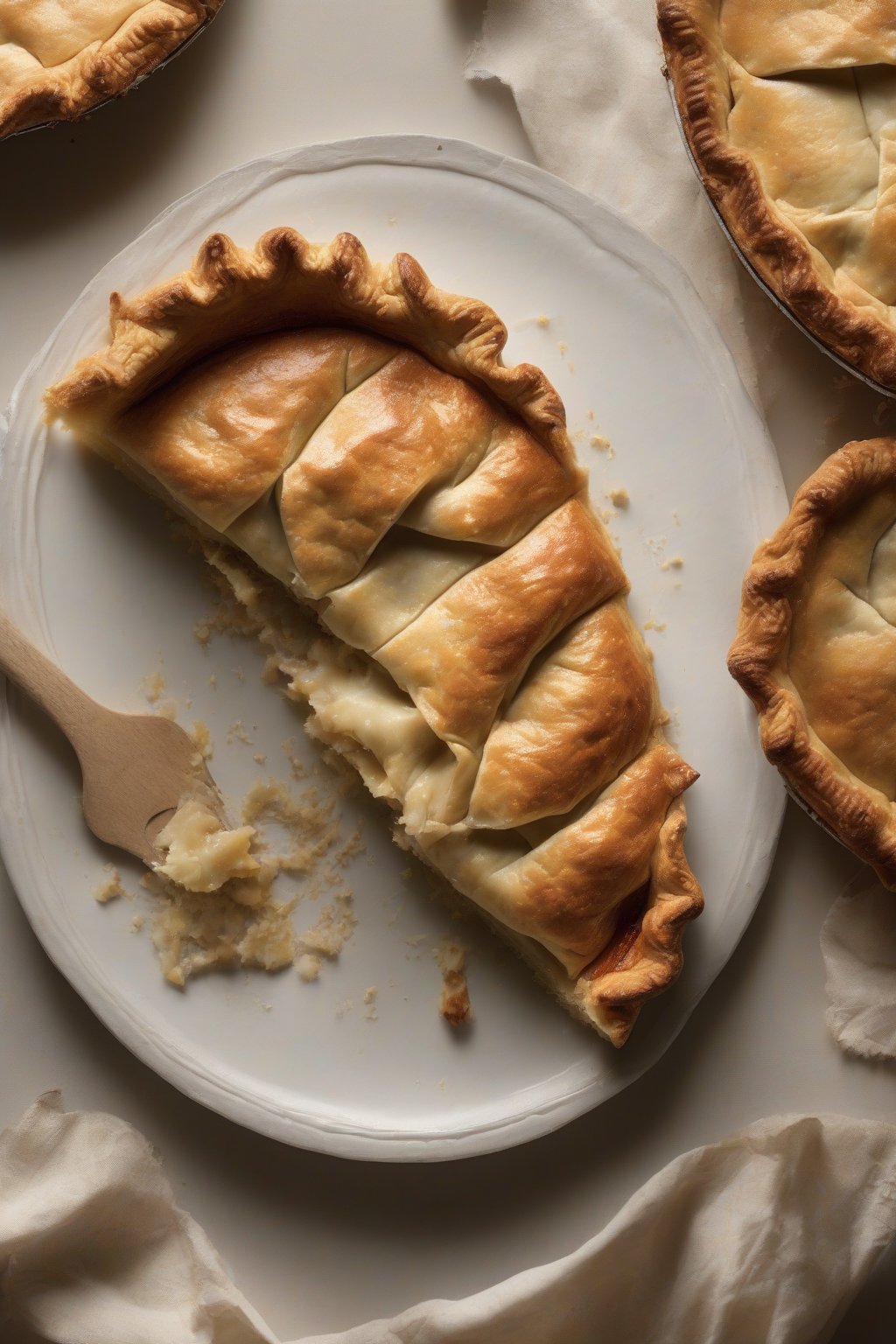
Betty Crocker Cookbook
The all-American staple brims with 1,200+ recipes for cakes, casseroles, and salads. Features photos, nutrition info, and holiday menus. Stock basics, follow illustrated steps, and use tips for high-altitude baking.
It’s a trusted family heirloom that streamlines entertaining, accommodates allergies, and delivers comforting classics reliably.

Better Homes and Gardens New Cook Book
Spiral-bound reliability with 1,100 recipes for slow-cooker meals and air-fryer hacks. Includes charts, wine pairings, and storage guides. Plan weekly menus, prep mise en place, execute in phases.
Ideal for beginners: organizes chaos, promotes healthy eating, and equips for life’s cooking curveballs.
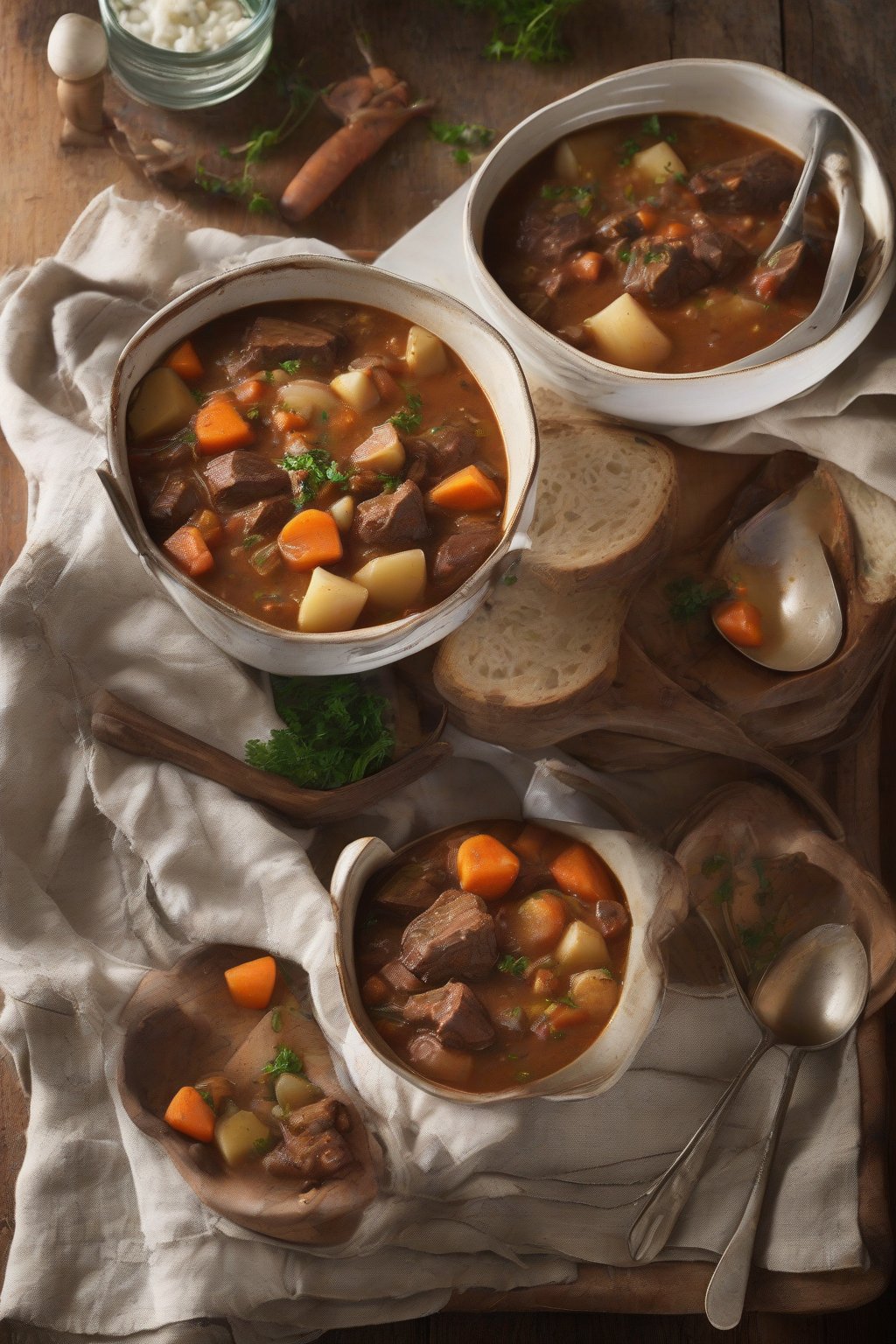
The America’s Test Kitchen Cooking School Cookbook
Step-by-step mastery with 600+ recipes teaching techniques like searing. “Ingredients”: equipment ratings, science explainers, troubleshooting. Follow skill-building lessons progressively.
Transforms novices into experts with foolproof methods, saving time and frustration for consistent excellence.
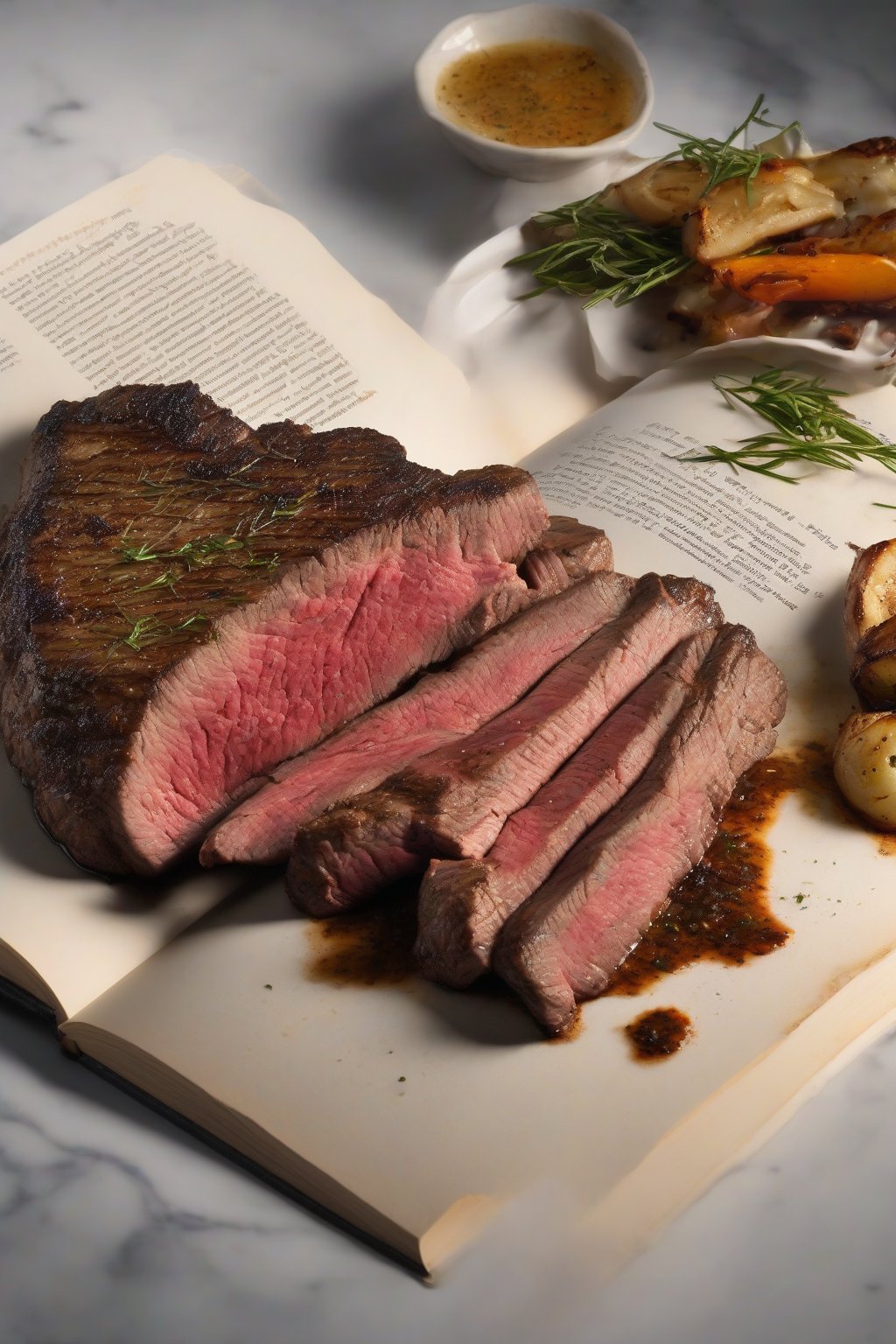
On Food and Cooking by Harold McGee
The science deep-dive for why eggs curdle or bread browns. Chapters on dairy, meat, veggies as “ingredients.” Read curiously, apply to recipes, experiment safely.
Benefits: Deepens understanding, debugs failures, and elevates cooking to an intellectual, precise art.
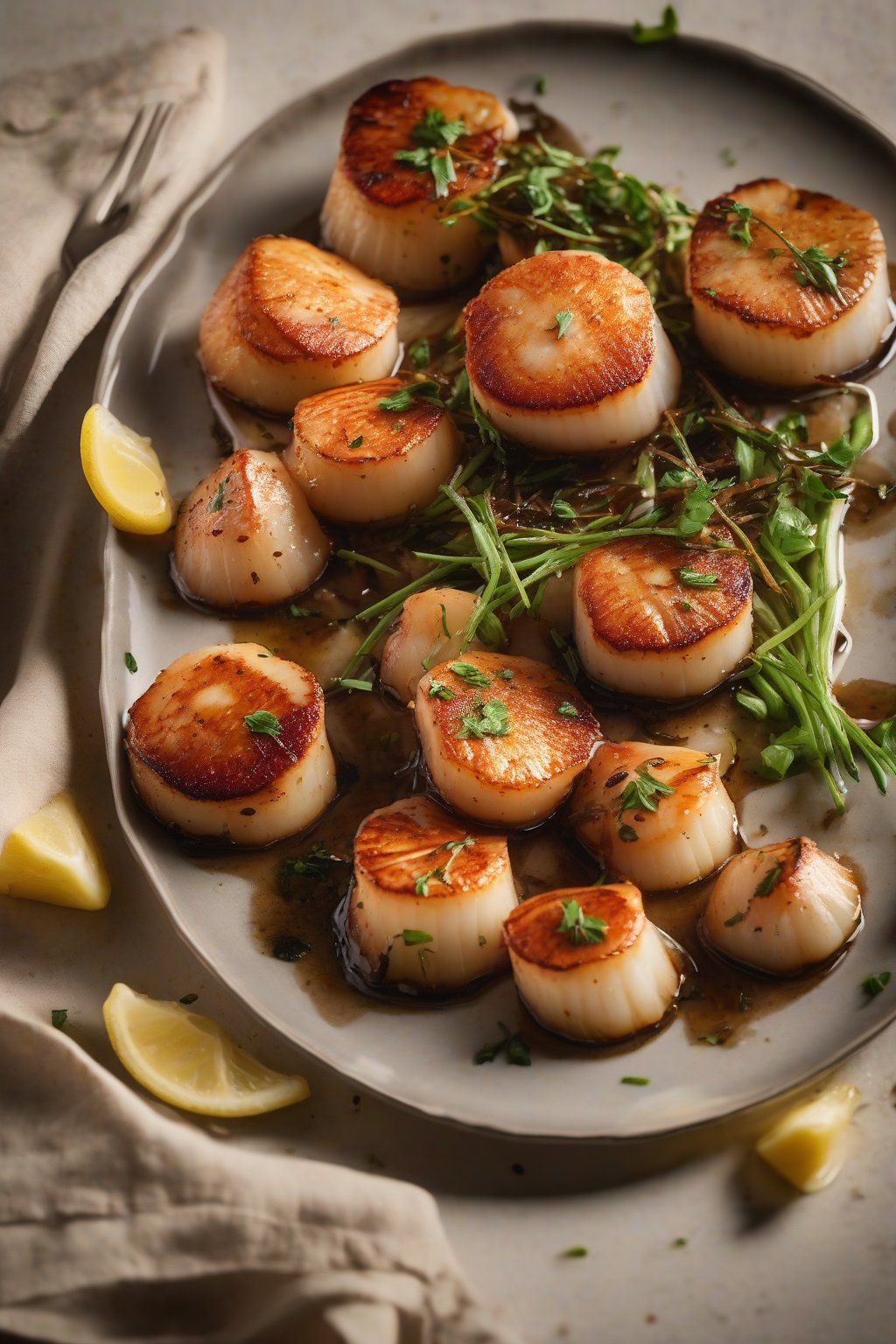
The Professional Chef by The Culinary Institute of America
Pro-level fundamentals for stocks, knife cuts, plating. “Ingredients”: brigade methods, garde manger recipes. Master stations sequentially.
It professionalizes home kitchens, impresses guests, and builds brigade-like efficiency for ambitious cooks.
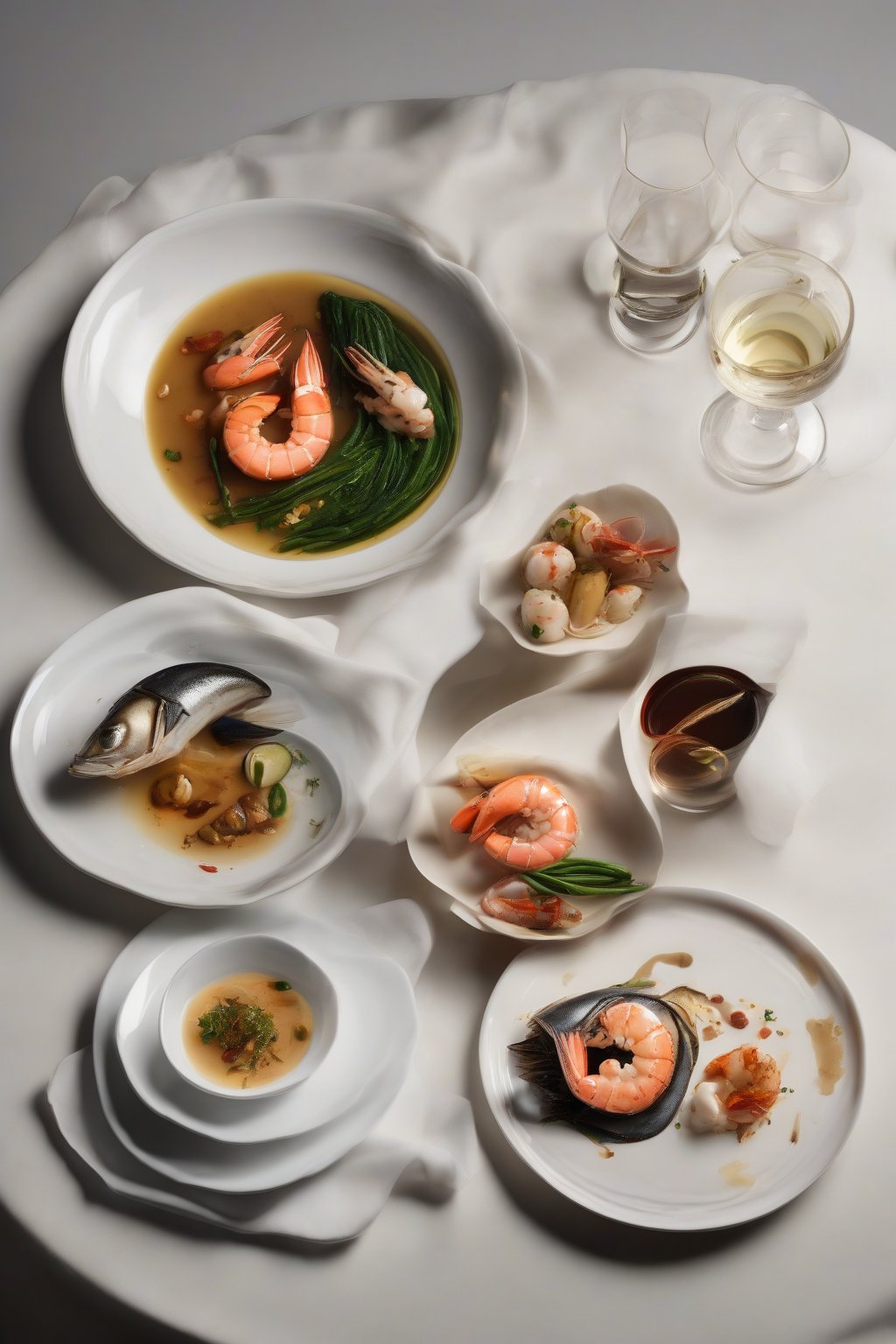
The Good Housekeeping Cookbook
Triple-tested gems for pies, roasts, and salads since 1909. Features indexes, timelines, substitutions. Batch-prep, time precisely, store smartly.
Reliable for generations: ensures success, adapts to trends, and creates joyful, shareable meals.
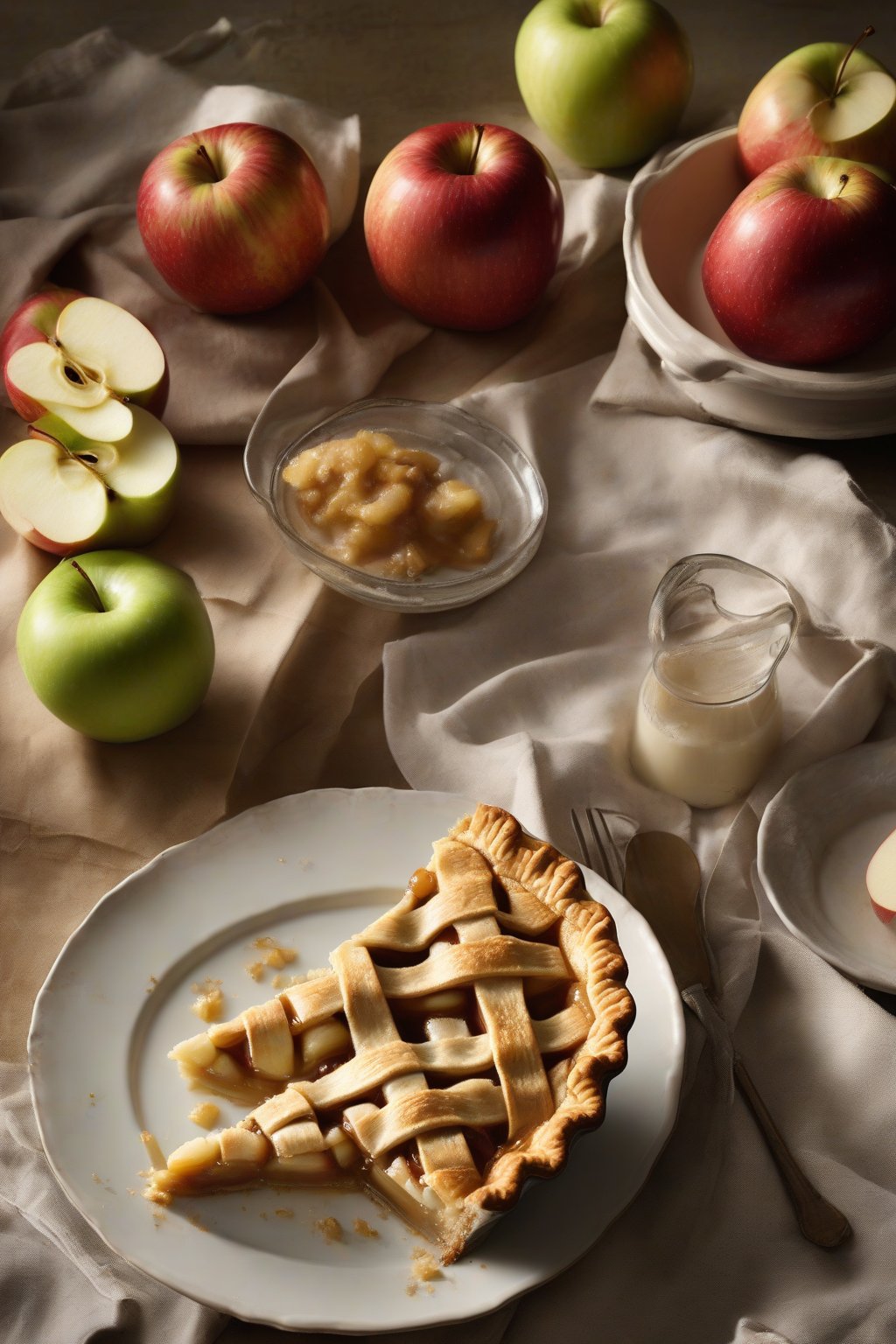
Modernist Cuisine at Home by Nathan Myhrvold
Adventurous techniques like sous-vide and spherification with 200 recipes. Gear lists, precise temps as “ingredients.” Calibrate equipment, follow protocols.
Benefits: Innovates home cooking, wows with molecular gastronomy, and pushes boundaries safely.
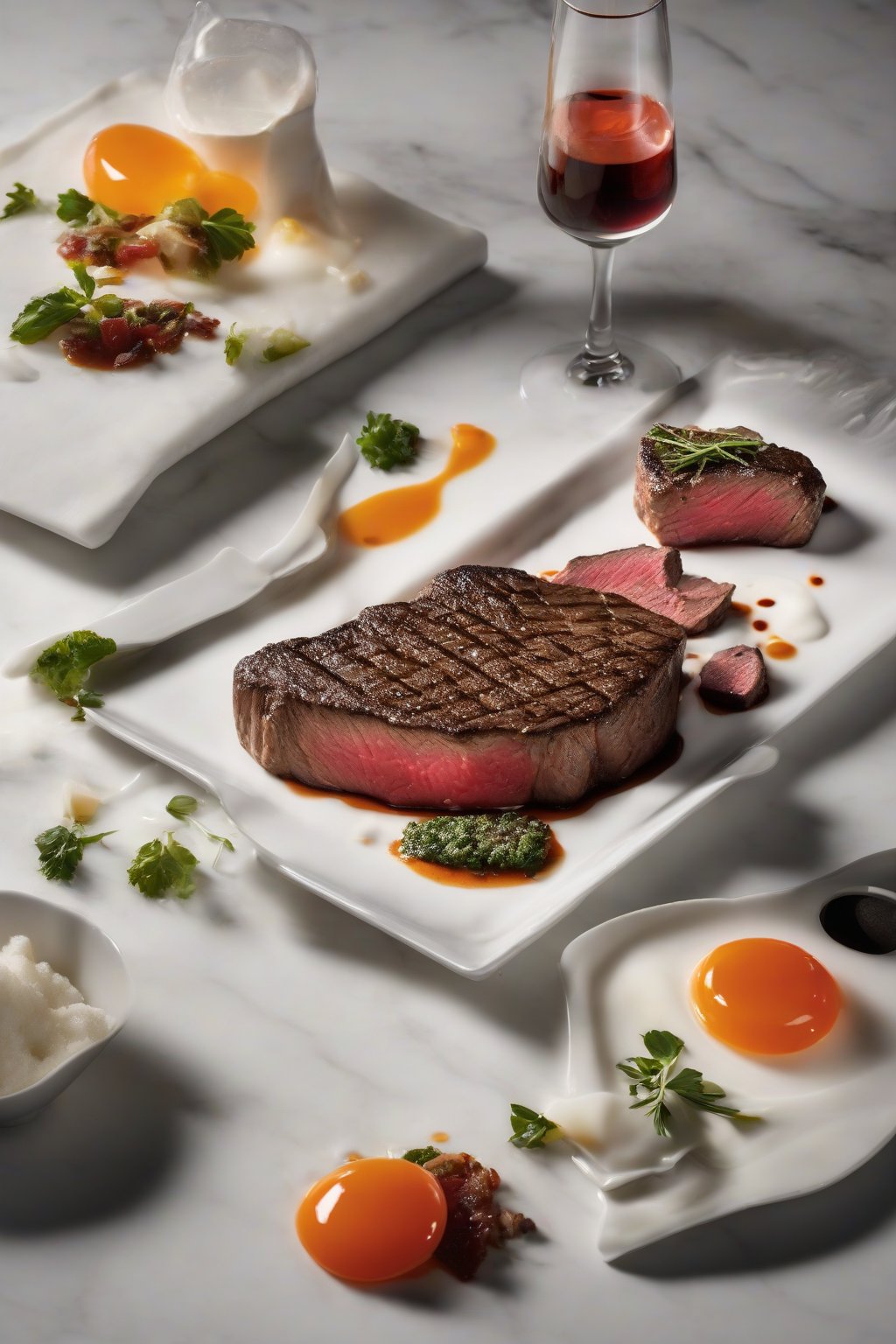
Whether you’re a novice apron-clad enthusiast or a seasoned home chef, dive into these 15 must-have recipe books and watch your culinary world expand. Grab one (or all), pick a recipe that sparks joy, and start cooking—your kitchen adventures await!